
How Reliable Power Influences Your Digital Presence

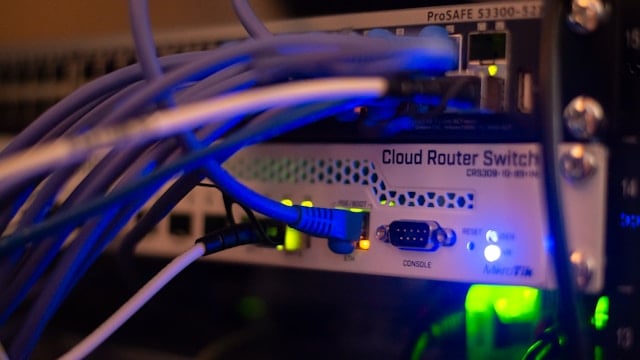
Image Credit: Unsplash
Server Uptime and SEO Rankings
How often your website is available, or its 'uptime', is a big deal for search engine optimisation (SEO). Google and other search engines constantly send out crawlers to index the web. If they keep finding your site down, they'll start visiting less often. Eventually, your pages might even disappear from search results. Every minute your server is down because of a power failure means you're invisible to potential customers and to the algorithms that rank you.
Even short, on-and-off outages can hurt your rankings. Search engines prefer reliable information sources, and a site that keeps flickering in and out isn't reliable at all. The impact of uptime on your website's success is clear: if your site isn't available, search engines see it as unreliable, pushing you down in favour of more stable competitors.
Ensuring Consistent Data Flow
At the heart of every digital service is a complex setup of physical hardware. Servers, routers, and storage arrays are fancy electronic devices that need super stable power to work properly. The electricity from the wall is often too inconsistent, so it has to be converted and regulated to precisely match what sensitive microprocessors and memory chips need.
Inside these complex systems, parts like DC/DC Converters are crucial for managing voltage and making sure each part of the circuit gets a clean, steady flow of power. If this power conversion goes wrong, it can do more than just cause downtime. It can corrupt data, lead to processing errors, and even permanently damage the server hardware itself. Making sure these internal power components are of good quality is a basic step in building a strong digital infrastructure.
Impact on User Experience
From a user's point of view, unstable power causes immediate and frustrating problems. Imagine a customer is almost done with an online purchase, only for the page to time out because of a server-side power glitch. They probably won't try again; they'll just go to a competitor. This bad experience isn't just for online shopping. It could be a file download that fails, a video that keeps buffering, or a web application that stops responding.
Today's internet users have very little patience for bad performance. Studies show that even a one-second delay in page load time can significantly reduce conversions. When a power issue makes your site slow or completely inaccessible, visitors will leave in droves. This high bounce rate isn't just a lost opportunity; it's also another bad sign for search engines, making the damage to your digital presence even worse.
Brand Perception and Technical Stability
Your website is often the first thing a potential customer sees of your brand. If it's slow, glitchy, or often unavailable, it makes your whole organisation look bad. It creates an impression of being unprofessional, unreliable, and behind the times technologically. Trust is hard to build and easy to lose, and a technically unstable digital front door is one of the quickest ways to destroy it.
Enhancing website reliability is therefore as much about branding as it is about technology. A fast, dependable online experience shows that your company is competent and cares about its customers. This feeling of stability and quality can influence whether a customer decides to engage with you, buy your products, or trust your services. Good technology and a strong brand are completely connected.
Ultimately, how stable your digital presence is comes down to how stable its physical foundation is. We might focus on the visible parts of our online platforms, but it's the unseen reliability of the power behind them that truly makes them successful.