
The Architecture of Scale: Streamlining Enterprise Logistics and Order Execution

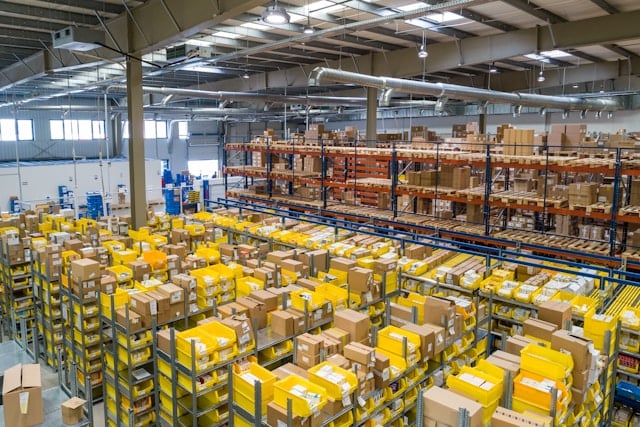
Image credit Unsplash
The journey from a promising idea to a thriving business is full of logistical hurdles. As a company grows, the simple systems that worked for a few orders can quickly get overwhelmed, leading to delays, mistakes, and unhappy customers. Successfully scaling a business isn't just about selling more; it's about building an operational structure that can truly support that growth efficiently and reliably. This means moving past quick fixes and designing a logistics framework ready for the future.
From Scrappy Start-up to Scaled Operation
In the early days, fulfilling orders can feel like a heroic, all-hands-on-deck effort. Founders might pack boxes themselves, and a simple spreadsheet keeps track of inventory. This approach has its charm, but it won't work as you grow. As more orders come in, things get more complicated. You might be dealing with different sales channels, international shipping rules, or the specific needs of B2B fulfillment. What was once manageable becomes a bottleneck that stops growth. Moving from a reactive, manual process to a proactive, smooth system is a key moment for any growing business. It means changing your mindset from just "getting orders out" to designing an efficient, repeatable process.
The Shift from Planning to Real-Time Execution
Traditional logistics often focused on careful, long-term planning. Companies would predict demand months ahead and build their supply chains around those forecasts. While planning is still important, today’s market needs flexibility. A sudden jump in demand from a viral social media post or an unexpected delay from a key supplier can make a perfect plan useless overnight. That's why modern logistics emphasizes being able to react and adapt right away. The real-time execution advantage comes from having the insight and flexibility to make smart decisions on the fly. It means rerouting shipments, reallocating inventory, and talking to customers instantly when things don't go as planned.
Leveraging Technology for Smarter Logistics
Technology drives this shift toward real-time operations. Modern logistics platforms act as a central nervous system for a company’s entire supply chain, connecting everything from inventory and warehousing to shipping and final delivery. Tools like Warehouse Management Systems (WMS) optimize how products are stored, picked, and packed. Transportation Management Systems (TMS) find the most efficient shipping routes and carriers. On top of this, we're seeing the rise of AI in the supply chain, which can analyze huge amounts of data to predict possible problems, automate decisions, and constantly find small efficiencies that add up to big savings.
Building a Resilient Supply Chain
An efficient logistics structure is good, but a resilient one is even better. The past few years have shown how fragile global supply chains can be. A truly strong system is built not just for easy times but also to handle shocks. This means building in backups, like having alternative suppliers or multiple warehouse locations. It involves spreading out your carrier network so you don’t rely on just one provider. It also requires clear visibility into every step of your supply chain, so you can spot potential issues early and react before they turn into crises. Building this resilience is an investment that pays off the first time an unexpected event fails to disrupt your operations.
Ultimately, designing a logistics architecture for scale is a must. It turns a potential weakness into a competitive edge, allowing your business to deliver on its promises to customers, no matter how much you grow.