
Why Experiential Branding Demands Flexible Media

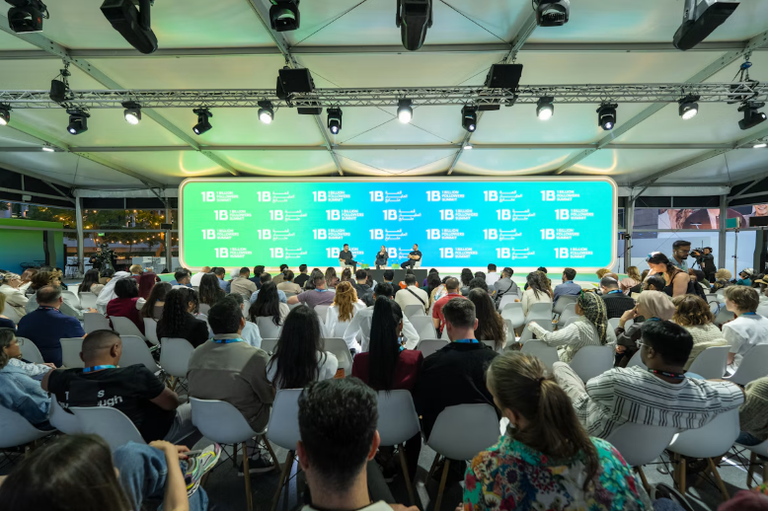
Image Credit: Unsplash
Experiential branding succeeds when a physical space can respond as quickly as the audience inside it. A pop-up store, product demonstration or conference activation may last only a few days, yet visitor behavior can shift within the first few hours. Flexible media gives teams room to adjust their message, timing and creative presentation while the experience is still happening.
That adaptability also connects physical events with digital marketing. Instead of treating signs, social posts and event staging as separate projects, brands can build one creative system that works across every customer touchpoint.
Pop-Ups Need Rapid Iteration
Pop-ups compress months of retail activity into a tight schedule. If a headline fails to draw visitors on opening morning, waiting several days to replace printed materials wastes a large share of the event. Digital media lets the team test a new offer, change the visual hierarchy or clarify directions before the next crowd arrives.
Prepare several versions of key messages before opening day. For example, create one screen sequence focused on product education, another built around demonstrations and a third promoting a limited-time event. Give a staff member authority to switch versions based on foot traffic and common visitor questions.
Track simple signals every two hours, including entries, demonstration attendance and QR code scans. These observations won’t replace formal analytics, but they can reveal where the customer experience needs an immediate fix.
Dynamic Formats Beat Static Signs
Motion helps a display communicate several ideas without filling the space with competing signs. A short sequence can welcome guests, explain an activity and present a call to action in 15 seconds. Since viewers may enter midway through the loop, each frame should still make sense on its own.
A digital LED poster can suit event organisers, businesses and advertising agencies that need an adaptable format for commercial or public display environments. Place it where visitors naturally pause, such as near registration or beside a demonstration area.
Follow established dynamic creative practices by keeping text concise and making the central message easy to identify. Test content from the expected viewing distance too. Fine details that look polished on a laptop may disappear across a busy venue.
Aligning Social Feeds with In-Person Staging
A campaign feels more recognizable when its physical and social elements share colors, phrases and visual rhythms. Start with a small creative kit that contains approved type treatments, five to eight reusable graphics and short video clips in both vertical and horizontal formats. This gives event staff and social teams enough material to publish quickly without drifting away from the campaign identity.
Timing matters as much as appearance. Schedule a social post shortly before an on-site demonstration, then update nearby displays with the same topic. Guests who saw the post can find the activity easily while people at the venue receive a prompt to participate.
The argument that strong festive campaigns drive results also applies beyond paid media. Clear creative choices help the right audience recognize that an experience is relevant to them before they commit their attention.
Curating Moments People Want to Share
Shareable moments need a clear focal point and enough space for visitors to understand what to do. A visually crowded installation may attract attention in person but produce confusing photos. Choose one dominant feature, control the background and check how the setup looks through an ordinary phone camera.
Make participation easy without scripting every reaction. A product personalization station, live data display or changing wall of visitor contributions gives people a reason to capture something unique. Add a short prompt nearby that explains the activity and provides the campaign tag, but keep branding away from faces and other important parts of the frame.
Staff can encourage participation by demonstrating the experience during quiet periods. They should also watch for bottlenecks. If each interaction takes three minutes and ten people are waiting, a simplified second route can preserve energy and keep the display approachable.
Flexible media turns an event into a responsive channel. When the team can update a screen before the next session, match the day’s social content and remove friction from a popular interaction, the brand experience keeps improving while visitors are still there.